Better for People. Stronger for Mission. Built for the Future.

“Most people think in lines. I think in webs.”

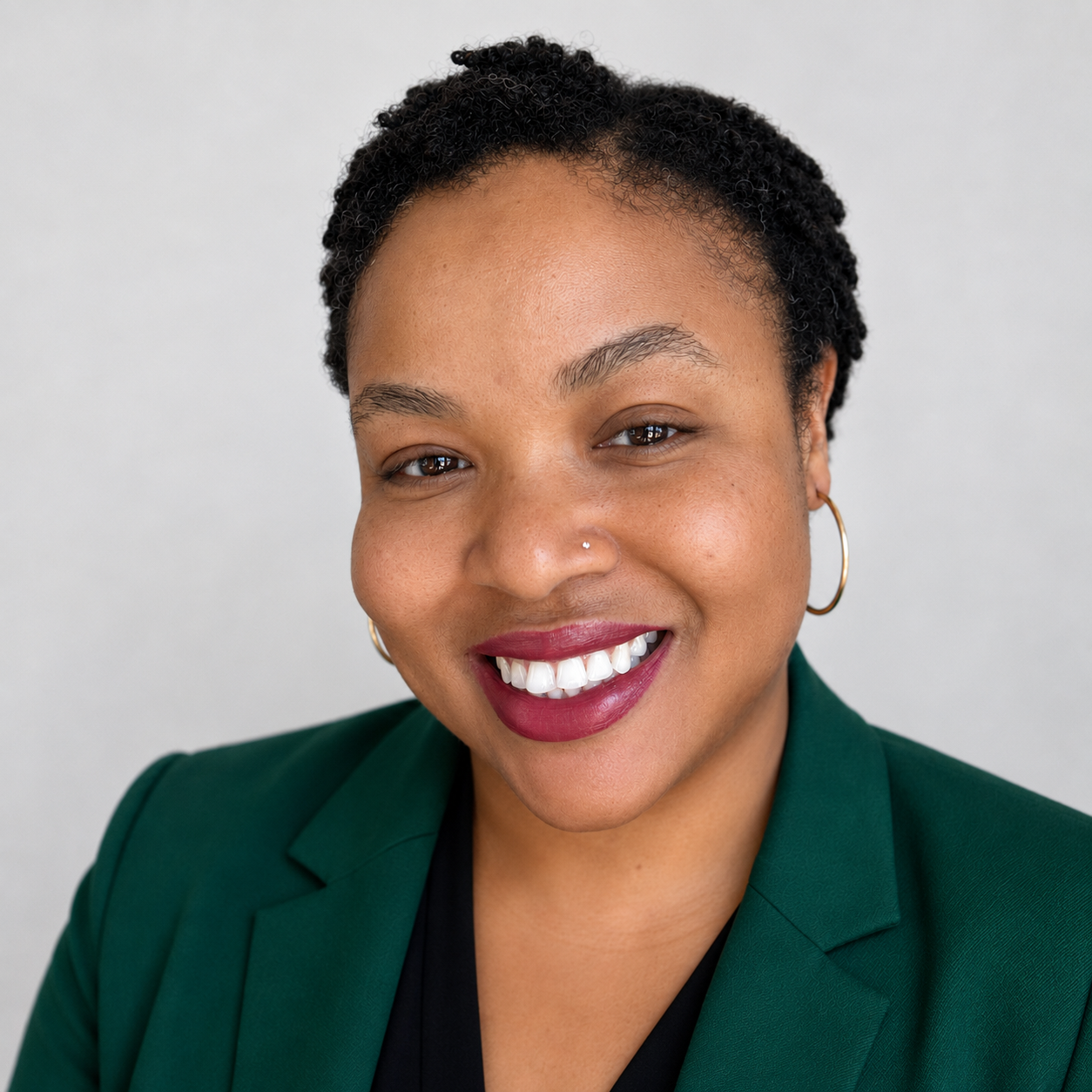
I’m Lori “LORE” Boozer! I see what connects the things most people treat as separate: the person and the system, the wound and the strategy, the culture and the outcome.

For the past 17 years I've dedicated my career to one question: What happens when we actually invest in people?‍ ‍

I've led social impact work across law, government, philanthropy, and political campaigns, most recently as Managing Director at the Robin Hood Foundation (NYC).

Now I'm building something new: centering dignity, capacity, and culture as the foundation for how people and organizations actually evolve and transform in the age of AI.

See What's Next

“The Strategy is not the real issue, the Foundation is.”

I’ve worked in mission-driven spaces where consultant after consultant was brought in and plans were generated, only to land flat on execution. Glossy decks left organizations more confused, destroying employee trust, and failing to address the burnout that left people too depleted to perform their best work, or worse, drove them out the door.

Organizations pour resources into strategy, structure, and scale while the people inside them are running on empty. Leaders carry the unprocessed emotional weight of helping communities in crisis. Teams absorb systemic pressure without support, asked to do more with less. And then we wonder why change doesn't stick.

The problem is an incessant focus on output and productivity without transformational investment in people. And with the rise of artificial intelligence, that investment is more necessary than ever to prevent organizations from collapsing under the weight of their own mission. The strategy is not the issue, the foundation is.

“I'm not theorizing about burnout. I've lived at the intersection where life pressure and mission pressure collide.”

My work lives where the self meets the system, I understand that who we are shapes the systems we design.

After more than a decade of service in high-impact institutions, I decided to gift myself a sabbatical as an opportunity to rest, reflect on all my experience, lived and professional, and add a global lens to my work. At the time, I had no idea that I was running on fumes. I prided myself on following all the latest wellness trends and felt functional. I didn’t know what real functionality was until I set out to travel and gave myself space and permission to just exist.

I spent a year moving through Southeast Asia, South Asia, the Middle East, and Europe, observing traditions of community, embodiment, ritual, and healing. I soon realized I was chasing my life because I was too tired to live it. I was living at the intersection where life pressure and mission pressure collide, performing a life rather than inhabiting one.

Through the solitude of solo travel, I restored my own capacity, reconnecting to the full range of my energy, creativity, and talents. I was met with and reminded of the power of dignity to shift how we see and value ourselves in the world. And I learned how established cultural paradigms inform how people prioritize their humanity and thrive despite the challenges they face. Revitalized by what I learned and inspired by my own transformation, I began developing frameworks to help others do the same.

“Dignity isn’t a soft skill. It’s infrastructure.”

I'm not afraid of artificial intelligence because I know my own worth and the limitlessness of my own potential. During my sabbatical, I immersed myself in AI, training on different models and learning firsthand what these tools can and can't do.

We've entered a time when the controlling narrative says we are useless, replaceable, and obsolete, the result of a decades-long practice of valuing human beings only insofar as what they produce. But we are marvelously made and capable of creativity, judgment, connection, and wisdom that machines can imitate but not replicate. Yet we've built systems that treat people as costs to minimize. That's not just a moral failure, it's a design flaw. Burnout, turnover, and disengagement aren't mysteries. They're the predictable output of systems that invest in everything except the humans inside them.

The truth is, AI doesn't have to be the enemy, but we are responsible for how we use it and for shaping demand for tools that support rather than supplant our brilliance. This is why I'm grounding this next chapter of my work in dignity and the inherent worth of people, culture as the container for our values, and environments that balance investment in human capacity against raw organizational infrastructure; not at the expense of impact, but in proliferation of impact we can't yet imagine.